
Credit: D. Godefroy
Many travelers ask themselves: is Lyon worth visiting for tourists? The answer is a resounding yes. Lyon, the third largest city in France, is a city that seamlessly blends history, culture, gastronomy, and modernity. From its winding streets in Vieux Lyon to the panoramic views from Fourvière Hill, Lyon is a city that offers something for everyone.
Recognized as a UNESCO World Heritage Site, Lyon is famed for its cobbled streets, narrow lanes, and vibrant neighborhoods where centuries of history meet contemporary creativity. Whether you’re a wine lover, a foodie chasing amazing food, or someone interested in hidden gems, Lyon will exceed expectations. This guide will explain why Lyon is not only worth visiting but is a destination you’ll want to return to.
Vieux Lyon: The heart of history
A visit to Vieux Lyon (Old Town) is an essential part of understanding why Lyon is worth visiting. This district is one of Europe’s largest Renaissance neighborhoods, filled with cobbled streets, colourful buildings, and historic narrow streets that transport visitors back in time.
The centerpiece of Vieux Lyon is the Cathédrale Saint-Jean Baptiste. This Gothic cathedral, with its famous astronomical clock, is a stunning example of the city’s architectural heritage. Walking through Vieux Lyon, you will also discover hidden traboules—secret passageways once used by silk workers to transport textiles across the city. Exploring these hidden corridors adds a sense of adventure to your day in Lyon.
Nearby, Rue Saint-Jean and Place des Terreaux offer cafés, boutiques, and local markets where you can sample local delicacies. Whether you have a few hours or a full day, exploring Vieux Lyon gives an authentic taste of Lyon’s rich history and vibrant culture.
Amazing food: Lyon, the gastronomic capital
If you are wondering why Lyon is worth visiting, its culinary scene is a major reason. Recognized as the gastronomic capital of France, Lyon has been home to legendary chefs, including Paul Bocuse, who elevated the city to international culinary fame.
Food lovers can experience local cuisine at bouchons, small traditional restaurants serving traditional dishes like quenelles, bresse chicken, and tripe Lyonnaise. For a more modern experience, international cuisine and innovative restaurants abound in the city.
Les Halles de Lyon is a must-see for amazing food enthusiasts. This covered market showcases the best of Lyon’s culinary heritage, from cheeses and charcuterie to fresh air-filled gourmet stalls. Walking through the market allows visitors to taste the city’s flavors while engaging with local culture.
Local markets and delicacies
Beyond Les Halles, Lyon’s local markets are a treasure trove of authentic experiences. From fresh produce to wine lovers’ delights, markets like Place Carnot and Marché Saint-Antoine invite visitors to sample Lyon’s gastronomic diversity. The city’s traditional dishes combined with contemporary interpretations make it a paradise for food lovers.
Fourvière Hill: Panoramic views and Roman ruins
Another reason Lyon is worth visiting for tourists is the iconic Fourvière Hill. Crowning the city, it is home to the stunning Notre Dame Basilica (Basilica of Notre-Dame de Fourvière) and offers breathtaking panoramic views over the Rhône and Saône rivers.
Fourvière Hill also reveals Lyon’s Roman ruins, including a Roman amphitheater still used for concerts and festivals today. The combination of ancient history, religious heritage, and spectacular city vistas makes Fourvière an unmissable Lyon attraction.
Amazing murals on Croix Rousse
The Croix Rousse district, known for its silk-weaving heritage, is another highlight of Lyon worth visiting. Walking through this neighborhood, visitors encounter amazing murals, including the Mur des Canuts, which depicts the lives of silk workers and celebrates Lyon’s unique artisan culture.
This hilltop area, with its colourful buildings and lively atmosphere, is a perfect spot to discover hidden gems, local cafés, and quaint boutiques. Its panoramic streets provide a glimpse into Lyon’s vibrant culture and walkable city charm.
Museums and fine arts
Art and culture are central to understanding why Lyon is worth visiting. Key institutions include:
Musée des Beaux Arts (Fine Arts Museum): Located near Place des Terreaux, it houses classical, modern, and contemporary art.
Musée des Confluences: A futuristic museum combining natural history and anthropology. Its ultra modern architecture is a sight in itself.
- The Brochier Soieries Museum extends this cultural exploration by celebrating the history of Lyon silk and the excellence of a craft passed down through generations. Through the story of 130 years of history and the Maison’s artistic collaborations, it offers a valuable perspective on the dialogue between textile tradition, artistic creation, and contemporary innovation.
Musée Cinéma et Miniature: Perfect for those interested in film history and craftsmanship.
These institutions complement the city’s historic buildings and Roman artifacts, offering visitors both artistic and educational experiences.
Hidden gems: Discover the unexpected
Beyond the major landmarks, Lyon is full of hidden gems. Stroll through cobbled streets, visit the Sculpture Garden, or explore quiet corners of East Lyon. Small museums, boutique shops, and local markets reveal an underrated city charm, making Lyon a great city for both short trips and longer stays.
Hidden gems also include:
Rose Garden atop the largest urban park, Parc de la Tête d’Or.
Quaint streets in Vieux Lyon where colourful buildings and narrow streets invite leisurely exploration.
The Fresque des Lyonnais mural, celebrating famous citizens of the city.
L’Atelier d’impression Brochier Soieries, one of the last silk-printing workshops in Lyon. This authentic site allows visitors to discover centuries-old printing techniques and meet artisans who keep the tradition alive. The workshop can be visited freely or by reservation, offering an intimate experience of Lyon’s silk heritage in the very heart of the city.
Cathédrale Saint-Jean Baptiste and Saint Jean district
Returning to the Cathédrale Saint-Jean Baptiste, this landmark is more than a visual marvel—it anchors the Saint Jean district, where walkable city streets, cobbled streets, and traditional buildings create an immersive historical experience.
Visitors can also explore local delicacies, small boutiques, and cafés nearby. The Saint Jean Baptiste cathedral is a perfect starting point for Vieux Lyon sightseeing, connecting Roman ruins, Renaissance architecture, and modern amenities like cafés and train station access.
Day trips and surrounding attractions
For travelers asking is Lyon worth visiting for tourists, nearby day trips enhance the experience. Explore the eastern banks, enjoy fresh air in the countryside, or visit nearby vineyards. The city’s public transport system makes short excursions easy, adding depth to any Lyon itinerary.
Whether you have a few hours or several days, Lyon’s combination of ancient history, modern buildings, and vibrant culture ensures every traveler finds something memorable.
Hôtel de Ville and Place des Terreaux
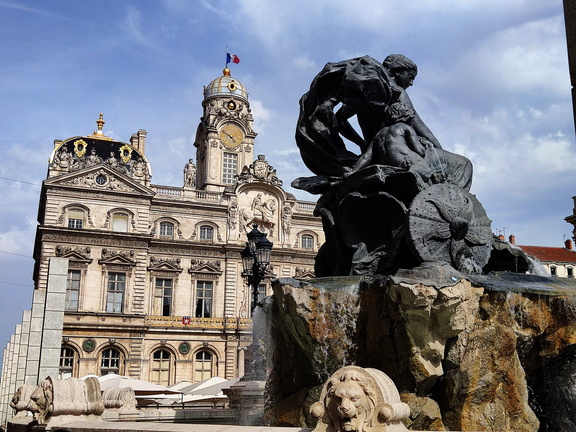
The Hôtel de Ville (City Hall) is another iconic Lyon landmark, located in Place des Terreaux, one of the grand pedestrian squares of the city. This area is surrounded by fine arts, historic fountains, and bustling cafés, providing a perfect space to relax while absorbing the vibrant culture of Lyon.
Silk heritage: Croix Rousse and silk workers
The Croix Rousse district is closely linked to Lyon’s silk heritage. Known for its silk workers, tall buildings with high ceilings were designed to accommodate looms. Today, this area combines historic charm with lively street life, amazing murals, and artisan shops, offering visitors insight into the city’s industrial past and cultural richness.
Parks, gardens, and fresh air
Lyon is also a walkable city full of green spaces. The largest urban park, Parc de la Tête d’Or, includes a rose garden, a lake, and a zoo. Here, visitors can enjoy fresh air, leisurely strolls, or even a boat ride on the lake. Parks and gardens complement the city’s modern buildings and historic districts, creating a perfect balance between urban life and nature.
World War II and historical insights
History enthusiasts will find Lyon compelling for its World War II heritage. Museums, plaques, and monuments tell stories of the city’s role during the war. Visiting sites like the Lyon History Museum provides context to Lyon’s resilience, while guided Lyon tours offer deep dives into its complex past.
Modern architecture and international cuisine
Beyond history, Lyon impresses with modern buildings and international cuisine. Districts along the eastern banks showcase ultra-modern office buildings, cultural centers, and vibrant restaurants. Travelers can enjoy a global culinary scene while still being steps away from centuries-old streets in Vieux Lyon.
Conclusion: Why Lyon is worth visiting
So, is Lyon worth visiting for tourists? Absolutely. This great city offers:
Rich history, from Roman ruins to Renaissance cobbled streets.
Amazing food and a reputation as the gastronomic capital.
Vibrant culture, including museums, murals, and festivals.
Hidden gems, parks, and panoramic views from Fourvière Hill.
A walkable city with a blend of modern buildings and historic charm.
Whether exploring Vieux Lyon, tasting local delicacies, admiring amazing murals, or enjoying a day in the largest urban park, visitors quickly see why Lyon is consistently ranked among the world’s most enjoyable cities. From short day trips to multi-day Lyon itineraries, every moment reveals that this underrated city is truly worth visiting.
Lyon is more than just a destination—it’s an experience. Visit Lyon, and you’ll understand why travelers keep returning to this vibrant, historic, and gastronomic French city.